
The Value of Vertical and Horizontal Freedom
For many high-energy working breeds or young, vigorous dogs, a standard garden or even a typical public park feels restrictive. They don’t just need to walk; they need to run, turn sharply, and explore terrain that changes beneath their paws. At Bark & Bounds, we offer over six acres of uninterrupted space in Tilehurst, Berkshire. This isn’t merely ‘big’; it’s transformative for dogs accustomed to confined environments.
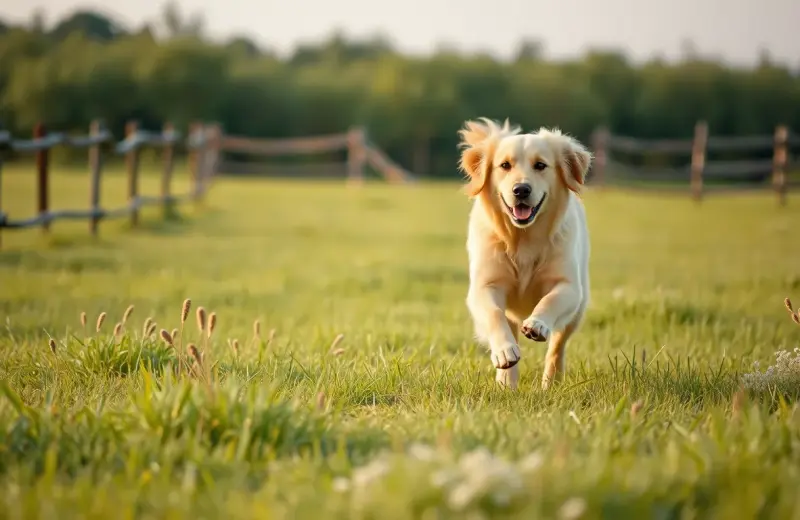
When a dog has ample horizontal space, their gait naturally extends. Instead of tight, cautious steps taken near traffic or other dogs, they settle into a rhythmic trot or gallop. This sustained aerobic activity is crucial for regulating cortisol levels and burning off the restless energy that often manifests as destructive behaviour at home. The sheer scale allows for varied pacing, letting your dog decide when to sprint and when to pause, fostering self-regulation.
Navigating Terrain for Joint Health and Muscle Tone
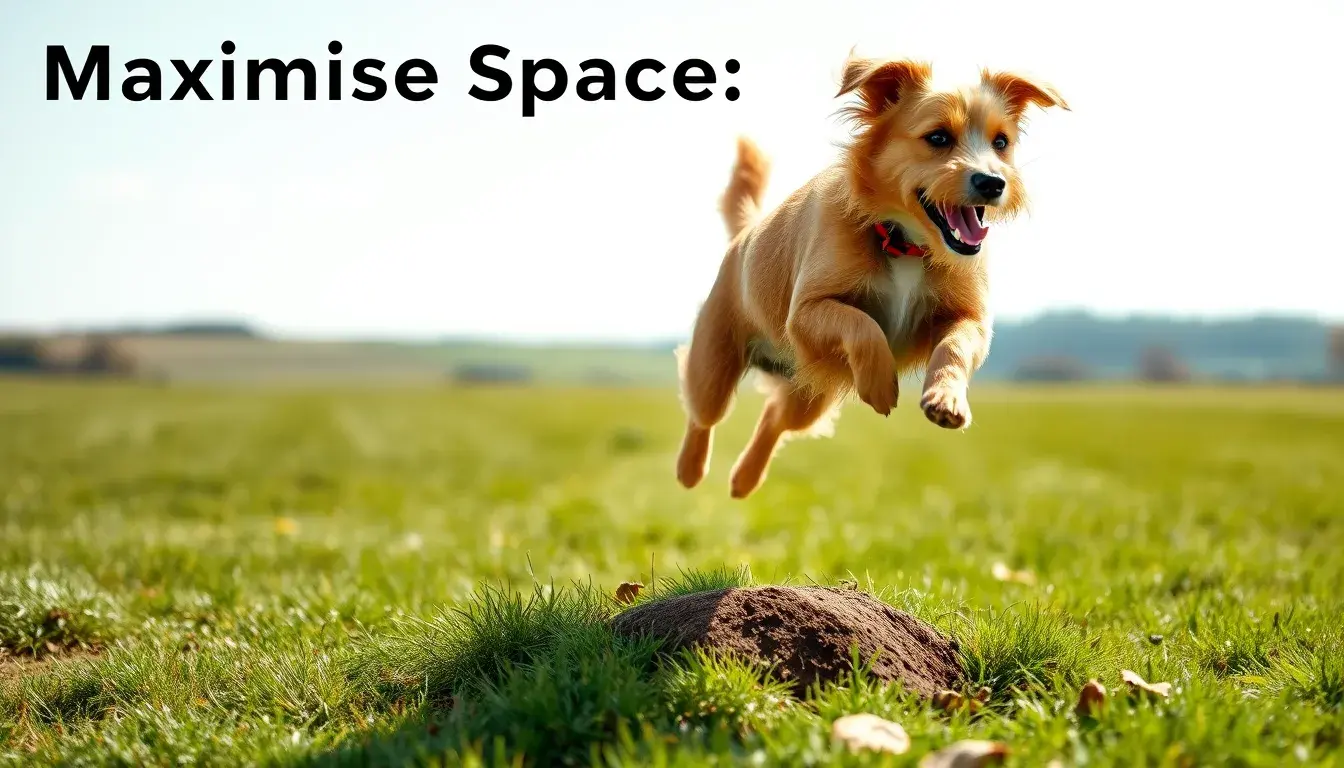
Different surfaces challenge muscles differently. While paved paths are easy on joints, they offer little resistance for muscle building. The grounds at Bark & Bounds feature natural earth, grass, and slight undulations. Running on uneven, softer ground engages stabiliser muscles in the legs and core that are rarely used on tarmac.
This type of varied exertion promotes balanced muscle development and supports joint health by encouraging natural range of motion. However, it also means monitoring intensity. For older dogs or those prone to hip dysplasia, allow them to choose gentler routes along the perimeter initially. Watch their stride; if they hesitate or limp, switch to flat, firm areas immediately. The diversity of the landscape ensures there is a suitable path for every fitness level, making it a versatile venue for lifelong exercise routines.
Mental Stimulation Through Environmental Exploration
Physical exhaustion is only half the equation. Mental fatigue is equally important for preventing boredom-based anxiety. In a small enclosure, a dog maps the boundaries quickly and then becomes bored. With six-plus acres, the map is complex. New scents drift on the wind from nearby hedgerows. Birds flutter overhead. The sightlines change constantly.
Encourage your dog to investigate safely. Allow them to sniff extensively at the edges where the fence meets the wilder vegetation. Sniffing releases neurotransmitters that promote calmness. Because the entire area is secured with six-foot fencing dug securely into the ground, you can relax knowing they won’t bolt despite the temptation of distant stimuli. This freedom to explore without risk builds confidence and reduces hyper-reactivity to external triggers.
Leveraging the Sunset View for Post-Exercise Calm
Our field overlooks Wilders Folly, a scenic landmark often cited for its stunning sunsets. While the view itself doesn’t train the dog, the timing associated with late afternoon sessions offers psychological benefits for both owner and pet. As the light fades, the ambient noise of the day diminishes. This quieter atmosphere creates a lower-arousal environment, ideal for winding down after intense play.
We recommend ending your session with five minutes of gentle leading or quiet sit-stays while watching the horizon. This transition period helps shift your dog from a state of high excitement to relaxation, reinforcing the association between the field and positive, calm outcomes. It turns a mere workout into a holistic wellness ritual.
What to do next
If your dog thrives on space and needs a secure outlet for their boundless energy, consider scheduling a session at our largest Berkshire site. Check real-time availability for Bark & Bounds via our booking portal and give your pup the room they deserve.